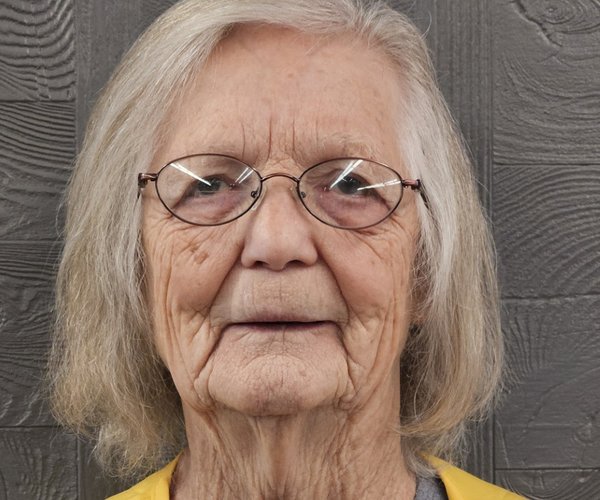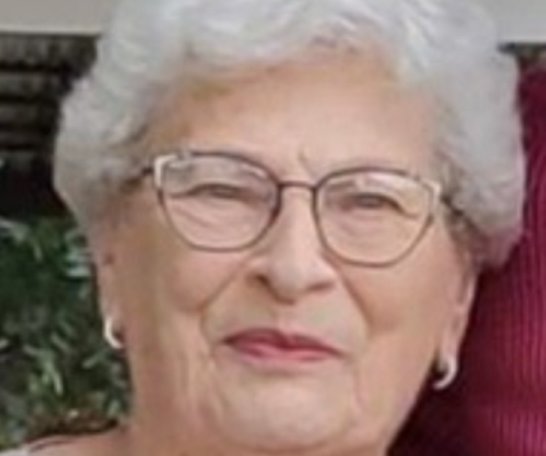
Michelle VonFeldt always believed she was strong. She lost her mother in kindergarten, lived through changes in her family and navigated divorce and remarriage. Whatever life handed her, she found a way through.
Then, a week after her 51st birthday, she learned she had breast cancer.
“It knocked the air right out of my body,” she said. “It just deflates you.”
Five years after her Sept. 28, 2021, diagnosis, VonFeldt appreciates things she once might have passed by — sitting outside, watching animals and simply having another day with the people she loves.
“I just appreciate life more now,” she said.
Her cancer was discovered through a routine mammogram. Dense breast tissue prompted an ultrasound the following week, followed by biopsies that afternoon.
“I received the diagnosis the next week,” she said. “More than anything, my first thought was about our 11 grandchildren and being there as they grew up.”
Her husband told her son about the possibility of cancer before the diagnosis was confirmed. Telling the oldest grandchildren was a little harder.
There were personal fears, too, including one VonFeldt readily acknowledges.
“It’s petty but my greatest fear was losing my hair,” she said.
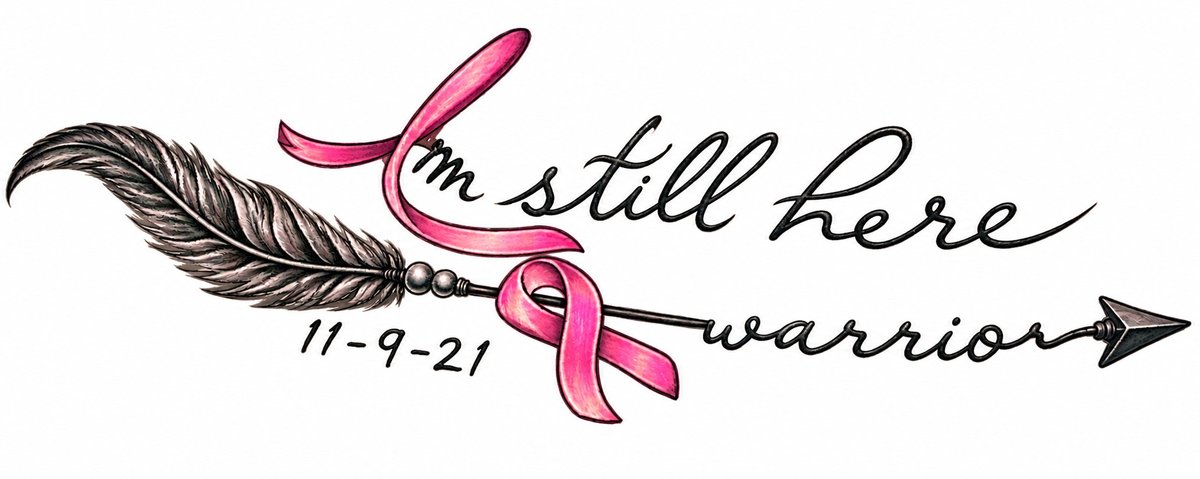
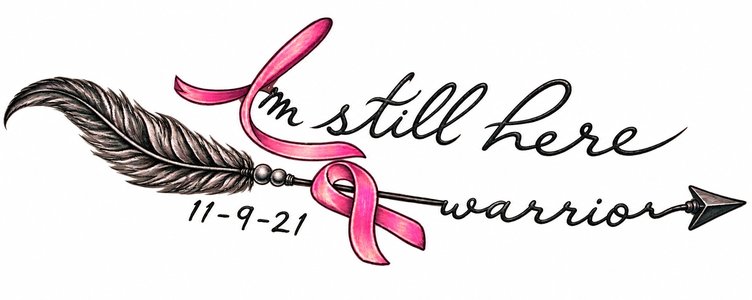
VonFeldt said her cancer was stage 2. She underwent a double mastectomy Nov. 9, 2021, in Hoisington.
Because her tumor measured 6 centimeters and there was still a possibility she would need chemotherapy or radiation, she postponed reconstruction.
She ultimately did not need either treatment. Instead, she was prescribed medication, initially taking letrozole before switching to anastrozole. After about 3½ years on letrozole, she began experiencing hot flashes and difficulty regulating her temperature. When another medication did not provide enough relief, she asked about other options.
She hopes to finish taking anastrozole in December.
During her surgical recovery, her husband became her caregiver, taking about six weeks off work and accompanying her to all her appointments.
He also handled her surgical drains, what she viewed as the worst part of her surgery, so she never had to manage them herself.
“My husband, bless his heart, did everything so I never had to touch them,” she said. “He shaved his head around my first surgery in support.”
Each day, he reassured her that whether she chose additional surgeries did not matter to him. What mattered was having her beside him.
VonFeldt spent more than a year after her double mastectomy searching for a plastic surgeon she felt comfortable with. It was something she could never imagine before her diagnosis.
“I didn’t think I would ever be able to do that but I wanted to find a plastic surgeon I was comfortable with,” she said.
The emotional impact challenged her as much as the physical changes. Having endured so much already, VonFeldt lost her father four months after her diagnoses. She struggled with how thoroughly cancer shook her confidence in her own strength.
Her sister, a registered nurse, saw something different. She told VonFeldt she was tougher than she realized — an affirmation from someone who understood the demands of illness.
VonFeldt also found reassurance in information.
“I’m someone who wants to understand every avenue available,” she said. “So I was constantly searching for everything I could read about my diagnosis.”
When a cousin on her father’s side was diagnosed about a month later, that search for understanding became more personal.
“It makes you aware of the sisterhood you have out there,” she said.
Online support groups helped her recognize that other women understood the fears, questions and decisions she was facing.
“Just reading everyone’s story and knowing you’re not alone helps so much,” she said.
Her cousin’s experience also influenced the word VonFeldt chose for her breast cancer tattoo. She initially wanted “survivor,” but after watching what her cousin went through, she hesitated to use it, feeling their experiences had been so different. She chose “warrior” instead.
Still, being able to call herself a survivor holds deep meaning.
“The word survivor means everything to me,” she said. “It means so much just being able to say that I am because there are so many people who cannot.”
That gratitude exists alongside the uncertainty that can follow a cancer diagnosis. Earlier this year, VonFeldt feared the cancer had returned in her lymph nodes after continuing to experience problems on her right side. A biopsy brought reassuring results.
Cancer has also changed the meaning of her work. VonFeldt helps make steam sterilizers for medical facilities, including equipment sold to St. Jude. The hospital in Hoisington has one, too.
“I kept thinking maybe one of our sterilizers will be used when they find a cure for cancer,” she said.
What she makes each day now carries the possibility of helping someone whose fears she understands.
At home, she and her husband both contend with health concerns and frequent medical appointments. Her diagnosis sharpened her awareness that time together is something to appreciate.
“It just makes you more aware that you may not have tomorrow,” she said.
For someone newly diagnosed, VonFeldt’s advice begins with finding support. Whether through an online group or a conversation with someone who has faced cancer, she believes shared experience can make an unfamiliar path feel less lonely.
“One thing I hope other women take away from my story is to reach out to anyone you can for the support you need,” she said. “Not just for breast cancer but for any cancer, there are groups out there of people who went through the exact same thing you are. They have knowledge.”