Step one: pop into mouth. Step two: wince, possibly shudder involuntarily. Step three: smile and repeat.
This is essentially my method for eating fresh cranberries. I usually have to psych myself up a little to eat the first one, and sometimes in the process wonder why I’m doing this to myself, but then I have a hard time stopping. Each berry is a mouthful microcosm of sour plus sweet! Either offputting or addicting, depending on the day.
Of course, I don’t eat them every day, so it’s really hit or miss for the handful of times I consume cranberries annually. Though it’s easy to find dried cranberries, also known by the brand name of craisins, all year round, it takes some intentionality to search out frozen cranberries. Bags of fresh cranberries, however, appear in sudden droves in late fall.
That timing makes sense, since cranberries are harvested in September and October in their native North America. The US and Canada account for over 95% of global cranberry production, with the vast majority of those being processed and juiced, sauced, or dried. Only about 5% of cranberries are sold fresh, and I can’t help but assume most of those end up being made into sauce as well. I’ve seen a smattering of recipes here and there using fresh cranberries, for things like baked goods, smoothies, salads, or even decorations; but really, I think people use them for making sauce.
We are not a saucy family. I take that back — if you’ve met my children, you know we’re a bit saucy (they got it all from their dad, right?) — but I’m not sure cranberry sauce does anything for us. I had some cranberries to play with, so I made three little batches of sauce because I could: one as per the package, one sweetened with honey and thickened with cornstarch, and one with orange, agave, and cinnamon.
My neighbor told me it’s so good and perfect with turkey; I generally trust her, and apparently everyone else thinks so or it wouldn’t be such a thing. Including both canned and homemade, Americans go through five million gallons of cranberry sauce during the holiday season.
We might have gone through five tablespoons? Granted, that ruby red can be a gorgeous addition to a Thanksgiving plate often replete with browns and whites, and its acidic piquancy should be an important counterbalance to all those rich, creamy, roasty flavors. It could be so much — but we’d have to eat it to make it worthwhile.
I still like the idea of cranberry sauce alongside turkey, but so far the reality isn’t worth the valuable stomach space, not when there’s sweet potato casserole on the line.
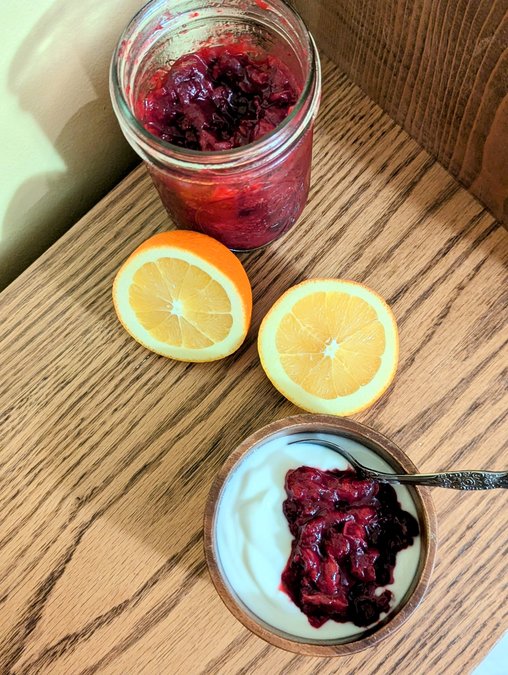
But with three pints of cranberry sauce to maneuver, I fortunately realized context was my issue. Cranberry sauce is lovely in a cold turkey sandwich with dijon mustard and mayo, but it really shines with leftover (if there is such a thing) whipped cream and vanilla ice cream after the pies are gone. And it’s even better for breakfast or an afternoon snack, spread on toast with cream cheese, dolloped onto baked oatmeal, or swirled into honeyed yogurt.
If I can stop popping them in my mouth for the tasty *wince* explosion of sour.
Orange-Agave
Cranberry Sauce
Cranberries don’t just pop in your mouth, they pop in the pan, too, so this quick recipe doubles as a fun acoustic experience. By all means, try this sauce on your leftover turkey or maybe your Christmas ham, but if you’re like me, expect to enjoy it in more non-meat ways. Cranberries are high in pectin, a natural thickening agent, which gives cooked sauces like this that luscious texture.
Prep tips: make sure to pick through the cranberries, as often there will be some squishy ones to be culled. Use honey if you don’t have any agave.
• 1 large orange
• 1 [12 oz] bag fresh cranberries
• ½ cup orange juice or water
• about ½ cup agave, to taste
• a hefty dash of cinnamon
Zest orange into a saucepan; then peel it, separate into wedges and dice, and add to pan along with remaining ingredients. Bring to a simmer and cook for about 10 minutes, until all the cranberries have popped. Cool, and serve as desired…which should be in a bowl of yogurt.
Lettuce Eat Local is a weekly local foods column by Amanda Miller, who lives in rural Reno County on the family dairy farm with her husband and two small children. She seeks to help build connections through food with her community, the earth, and the God who created it all. Send feedback and recipe ideas to hyperpeanutbutter@gmail.com.