While the service side of the janitorial industry is battling highly publicized labor and scheduling issues, the product manufacturing sector — the companies formulating, packaging, and chemical-blending the products — faces an entirely different set of structural, regulatory, and chemical hurdles.
Fuller Industries Inc., a legacy commercial cleaning product manufacturer based in Great Bend, is actively addressing these industry-wide friction points to pioneer the next generation of facility care solutions.
“The landscape of chemical manufacturing is undergoing a profound structural shift,” said Joe Mann, General Manager of Fuller Industries. “We are no longer just mixing chemicals; we are engineering highly precise, sustainable solutions that interface with advanced robotics and meet rigid environmental and state-by-level regulatory standards. Navigating these complexities requires agility and deep chemical expertise.”
According to industry analysts, commercial cleaning chemical and product manufacturers are currently navigating several intense market pressures:
- The bottleneck of regulatory approvals: Getting new formulations to market has become an expensive, slow-moving game of regulatory patience. Manufacturers nationwide are pushing for streamlined pipelines within the Environmental Protection Agency (EPA) to clear backlogs on science-based reviews of regulated cleaning products and disinfectants. Compounding this is a fragmented legislative landscape, where companies must navigate a patchwork of differing state compliance laws—such as localized pushes to ban scented products — that vastly drive up production costs and complicate inventory management.
- Formulating “green” without sacrificing performance: Market demand from procurement officers has shifted aggressively toward safer, low-toxicity, low-VOC (volatile organic compound), and plant-based ingredients. Fuller’s advanced chemistry provides the industry with probiotic cleaners and non-disruptive surfactants that preserve a healthy surface microbiome. One of Fuller’s strongest innovations in this space is their MicroE product line.
- Additionally, newer architectural materials require specialized, gentle chemistries — like advanced peroxide-based formulations or hypochlorous acid — that lift soils effectively without damaging expensive building assets over time.
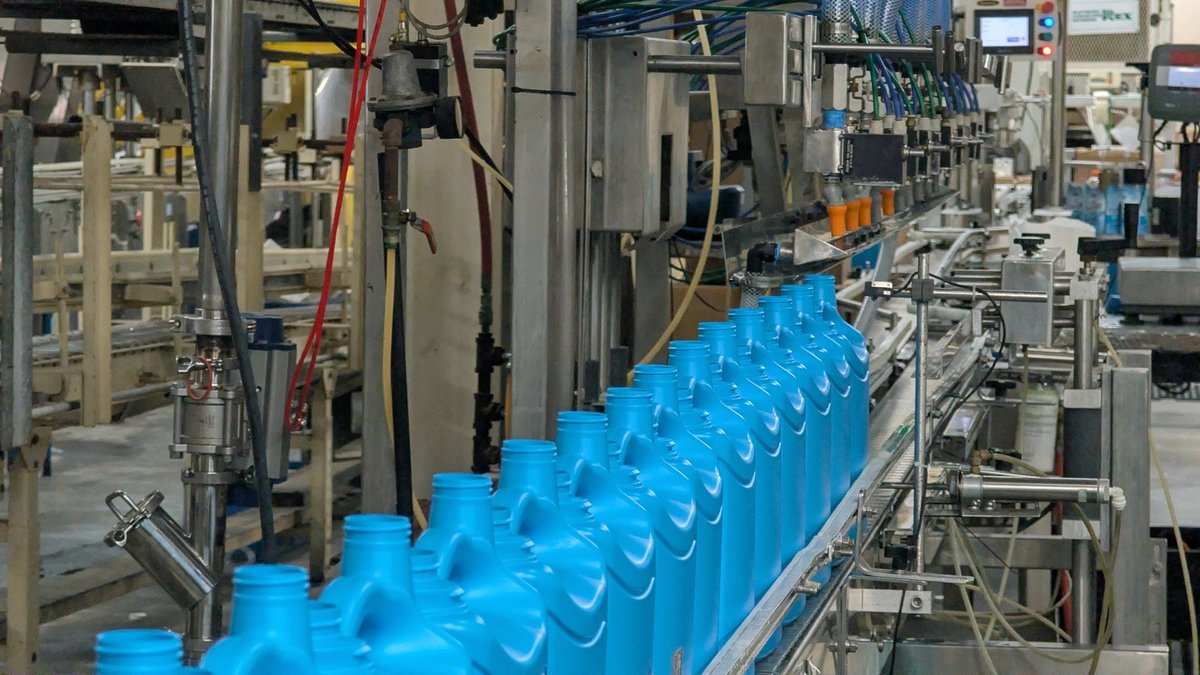
- The physics of “ultra-concentration”: Shipping heavy, water-logged liquid chemical jugs across the country presents severe financial and environmental challenges due to rising fuel costs and scope-3 emission tracking. To adapt, manufacturers are transitioning to products like Fuller’s monopods, ultra-concentrated formats, solid tablets, powders, or dissolvable sheets. This evolution forces chemical manufacturers to also become hardware engineers, designing foolproof automated dosing and dispensing systems to ensure precise chemical-to-water ratios. Manufacturers are also heavily investing in circular, plastic-free packaging that can safely store volatile industrial chemicals without leaking or degrading.
- Designing products for a robotic workforce: Chemicals historically formulated for human use with a mop or trigger sprayer often disrupt autonomous cleaning machinery. Robotic equipment requires specialized low-foaming, rapid dry, and anti-redeposition agents so that automated floor scrubbers and smart devices do not suffer clogged vacuum lines or false sensor errors. Product manufacturers must now co-engineer and validate their formulations alongside robotics Original Equipment Manufacturers (OEMs) to safeguard delicate components and sensors inside high-value autonomous machines.
“At Fuller Industries, we view these industry disruptions as an opportunity to reinforce our commitment to innovation and contract manufacturing excellence,” Mann said. “By aligning our Kansas-based blending capabilities with advanced packaging technologies and greener formulation sciences, we ensure our partners stay ahead of regulatory curves and technological evolutions.”