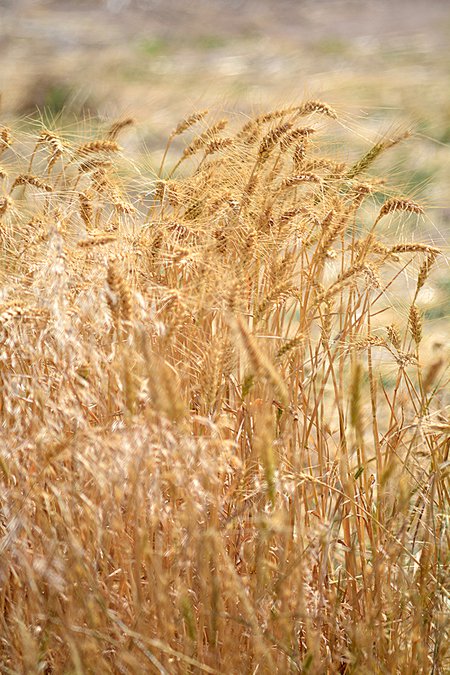

After months of drought, above-average temperatures, multiple freeze damage events, and rapid crop development, producers were test-cutting wheat in late May and preparing for what looked like one of the earliest harvests in recent history. Across much of southern Kansas, the crop matured weeks ahead of normal as dry, windy conditions caused rapid development throughout the spring.
Then the weather changed.
Over the past two weeks, widespread rains settled across much of Kansas, with some areas receiving several inches of precipitation. While the moisture was welcomed by many producers growing fall row crops and with pastures, it arrived at a trying time for mature wheat. Wet fields and persistent humidity have slowed harvest progress before it could fully begin, leaving many producers waiting for conditions to improve.
Kansas wheat harvest traditionally begins in the southern counties and steadily moves north toward the Nebraska border over several weeks. Under normal conditions, harvest starts in early to mid-June and progresses northward as the crop reaches maturity.
This year, however, the crop’s development has been anything but normal. Warm temperatures and limited rainfall throughout the winter and early spring pushed wheat growth well ahead of schedule. By mid-May, much of the crop was already approaching maturity, creating expectations for an unusually early harvest season.
“This has been a really challenging year for the wheat crop around the state,” said Dr. Romulo Lolloto, K-State Wheat and Forages Extension Specialist. “The crop is further ahead in development than usual, so a lot of the rain will not benefit parts of the state … probably the majority of south central Kansas.”
While the recent rainfall may have provided some benefit to later-maturing fields and double-crop opportunities, it has also created concerns about grain quality and harvest efficiency. Mature wheat exposed to continued moisture can experience issues ranging from test weight reductions to quality losses if wet conditions persist.
“Some of the things we’re going to look for now as we get close to harvest, notably in fields that got some moisture pre-harvest, are disease or late-season stresses,” said Dr. Kelsy Anderson Onofree, K-State plant pathologist.
Lolloto and Onofree appeared on episode 2195 of K-State’s Agriculture Today podcast to touch on the condition of Kansas wheat as we get into harvest. Onofree gave a breakdown of signs of disease to look out for as wheat matures, such as black tips on kernels and white heads, which can indicate a number of disease issues. She also noted the importance of volunteer management as a preventive step against the wheat streak mosaic virus complex (WSMV).
For now, much of Kansas is in a holding pattern. Combines are fueled, trucks are ready and producers are watching the forecast, waiting for fields to dry.
The story of the 2026 wheat crop has already been impacted by drought, freeze damage and disease pressure across parts of the state.
As soon as fields are fit for equipment, Kansas wheat producers will begin harvesting a crop that has met challenges since coming out of dormancy, hoping that favorable weather allows them to bring it safely to the bin.
This content was provided by the Kansas Wheat Commission and Kansas Association of Wheat Growers.