There are seasons of life when changing directions begins to feel less like a choice and more like a necessity or a relief. We all go through it and this has definitely been one of those seasons of life for me.
More than at almost any other time in my life, I have considered how much easier it might be to reduce the strain, release some of the responsibility, and choose a path that asks less of me. There are moments when the weight becomes so heavy that walking away can begin to look like wisdom.
Sometimes God does redirect us. Remaining faithful does not always mean remaining in the same place. But there is an important difference between following God in a new direction and simply trying to escape the discomfort of the road that we are currently traveling. The path of least resistance may provide temporary relief, but it rarely develops endurance.
Trees understand this better than we do.
A tree growing in an open field is rarely protected from the wind. It is pushed, twisted, stretched, and tested through every season of its life. Even on an otherwise pleasant day, its branches move and its trunk sways.
That movement is not meaningless.
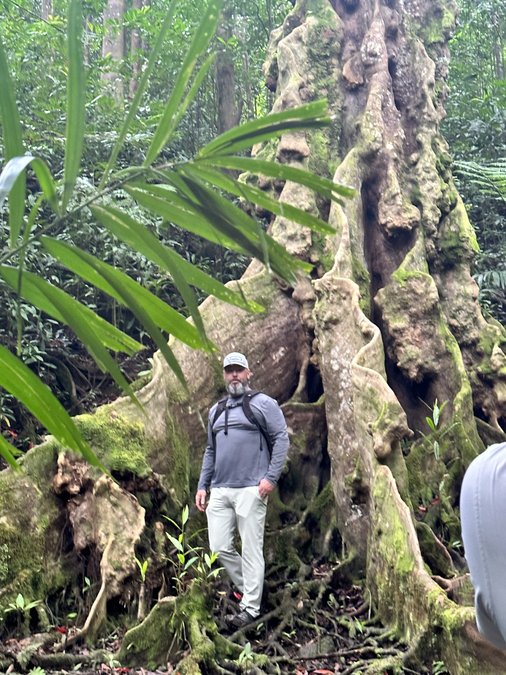
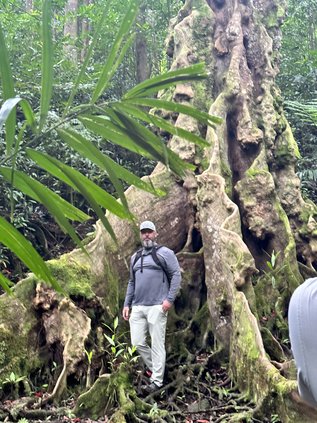
As the wind places stress on the tree, it responds by strengthening the places carrying the greatest load. It develops response wood. Branch unions thicken and adapt to the forces placed upon them. The trunk increases in strength. Buttress roots expand around the base, helping distribute the tree’s weight into the surrounding soil.
The wind does not merely challenge the tree. It teaches the tree how to remain standing — to carry the load of tomorrow.
Had the tree experienced no resistance during its years of growth, it would be poorly prepared when a significant storm finally arrived. Its size might give the appearance of strength, but without years of movement, adaptation, and structural development, it would be unable to bear the force of the storm. Smaller winds help prepare the tree for greater ones.
And just like us, trees carry wounds, too.
Branches break. Bark is torn. Wood becomes damaged. Insects and decay enter injured areas. The tree cannot go backward or erase what happened. It cannot replace the damaged wood to return everything to its original condition.
Instead, the tree responds.
It produces new tissue around the wound. It creates barriers internally that limit the spread of decay and damage. New wood slowly develops around the injured area, sometimes becoming stronger than it was originally as the tree redirects growth and support around what has been lost.
The wounds may remain visible. Decay may still exist within the tree. But the tree continues building. Its strength is not found in pretending the injury never happened. Its strength is found in how it responds to what happened.
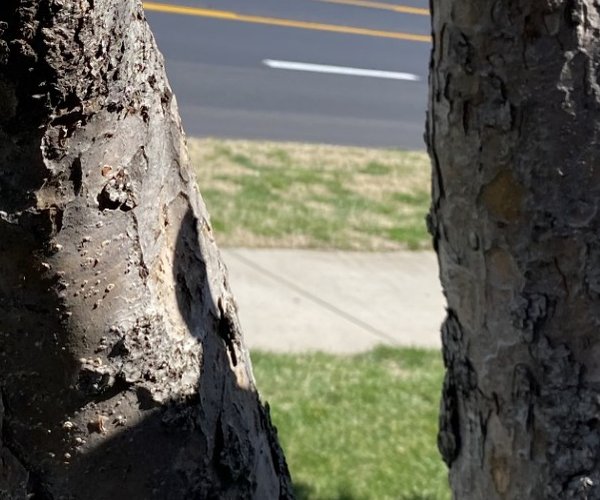
The older a tree becomes, the more evidence it bears of the storms it has endured. There are broken branches, old pruning wounds, hollow areas, unusual bends, and places where growth was redirected around damage.
Yet, many mature trees remain standing for decades, and sometimes centuries.
Their resilience was not produced by a perfect growing environment. It was developed through their ability to adapt, grow, and overcome damage sustained through years of wind and storms.
I believe our lives often develop in much the same way.
Jesus never promised that following Him would remove strain from our lives. In many ways, discipleship exposes the limits of our natural strength. It places us in circumstances that grit, confidence, and determination alone cannot sustain.
There comes a point when we realize that we cannot produce the needed strength by simply trying harder. Our endurance must come from a relationship with Jesus Christ that has been tested, purified, and strengthened through dependence upon Him.
The goal is not to prove that we are capable of carrying every burden we are given. The goal is to remain close enough to Christ that we can continue saying, “I am here for God to send me where He will.”
Something remarkable begins to happen when we continue to practice this, moving forward one day at a time.
We begin traveling farther than we believed we ever could. The weight slowly begins to loosen its grip. Strength forms in places where fear once lived. What once felt impossible becomes something we have somehow endured through the grace of God.
Eventually, we look back and realize that the storm did not remove every blessing from our lives. We simply became so focused on what might happen next that we stopped noticing the gifts that were still happening all around us.
The storm may change us. It may wound us. It may cause certain parts of our lives to grow in directions we never expected... but that does not mean the storm will destroy us.
Like a tree responding to wind, loss, and injury, God can build new strength around the places that have been hurt. He can deepen our roots, strengthen our unions, and develop within us the endurance required for whatever season may come next.
I’ve learned through the years that strength and resilience don’t grow because life has been easy on us. Nor do we simply grow stronger as a result of our experience.
We become resilient because God has remained faithful while teaching us how to endure the storms and how to stand even stronger after they have passed.
A Practice to Cultivate
Consider the pressure you are currently under, then ask a different question.
What is God strengthening in me that I am currently asking Him to remove?
Just know, the wind may not be evidence that you are on the wrong path. It may be developing the roots, strength, and endurance you will need to provide strength for another as they go through storms of their own.
‘Well Rooted’ is a new column to the Great Bend Tribune written by Jeremy Elliott. Elliott owns a lawncare business and lives in the Great Bend area.